Everyday Stress: What It Is and How to Steer Through It

Written by: Jennifer McGregor
Everyday Stress: What It Is and How to Steer Through It
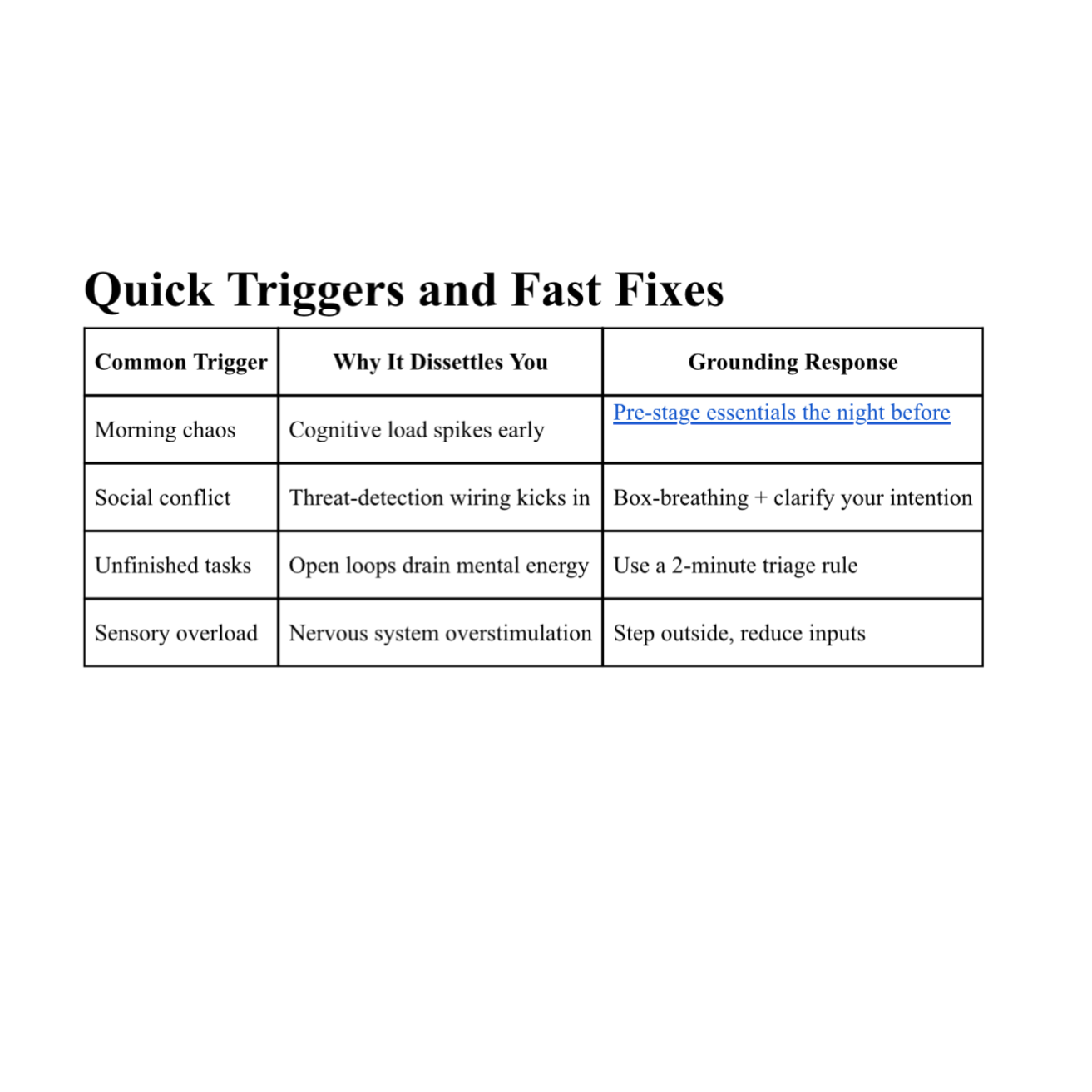
Stress shows up everywhere — the inbox that won’t quit, the traffic you didn’t expect, the responsibilities you didn’t ask for. Most people experience waves of it throughout the day, but managing stress doesn’t have to feel like wrangling smoke. There are practical ways to build emotional elasticity, even if your schedule looks like a spilled deck of cards.
Quick Snapshot
Stress eases when you create micro-moments of regulation, practice predictable habits, support your body with nourishing choices, and keep your environment from overwhelming your attention. You don’t need perfection — you just need repeatable small actions that restore calm.
Four Plant-Centered Ways to Dial Down Stress
Herbal and plant-derived tools have been part of stress relief traditions for centuries. Today, many people include them as part of a broader lifestyle approach.
Rhodiola rosea is often used to support mental endurance during demanding days. Valerian root is most known for its calming properties, especially when stress interferes with winding down. Chamomile — whether in tea or extract — offers gentle relaxation and is easy to incorporate into daily routines. You can also take a look at THCa, found in raw cannabis and certain hemp products, and explore its soothing qualities.
How Stress Shrinks Your Bandwidth
The root challenge isn’t that stress exists; it's that prolonged stress narrows the mental “aperture” you need for clear thinking. When your nervous system stays on high alert, everyday responsibilities feel heavier. That’s why managing stress is less about eliminating pressure and more about strengthening your buffer.
A Few Common Stress Patterns
Racing thoughts that loop instead of resolve
Emotional volatility when you’re normally steady
Increased reliance on sugar, caffeine, or doomscrolling
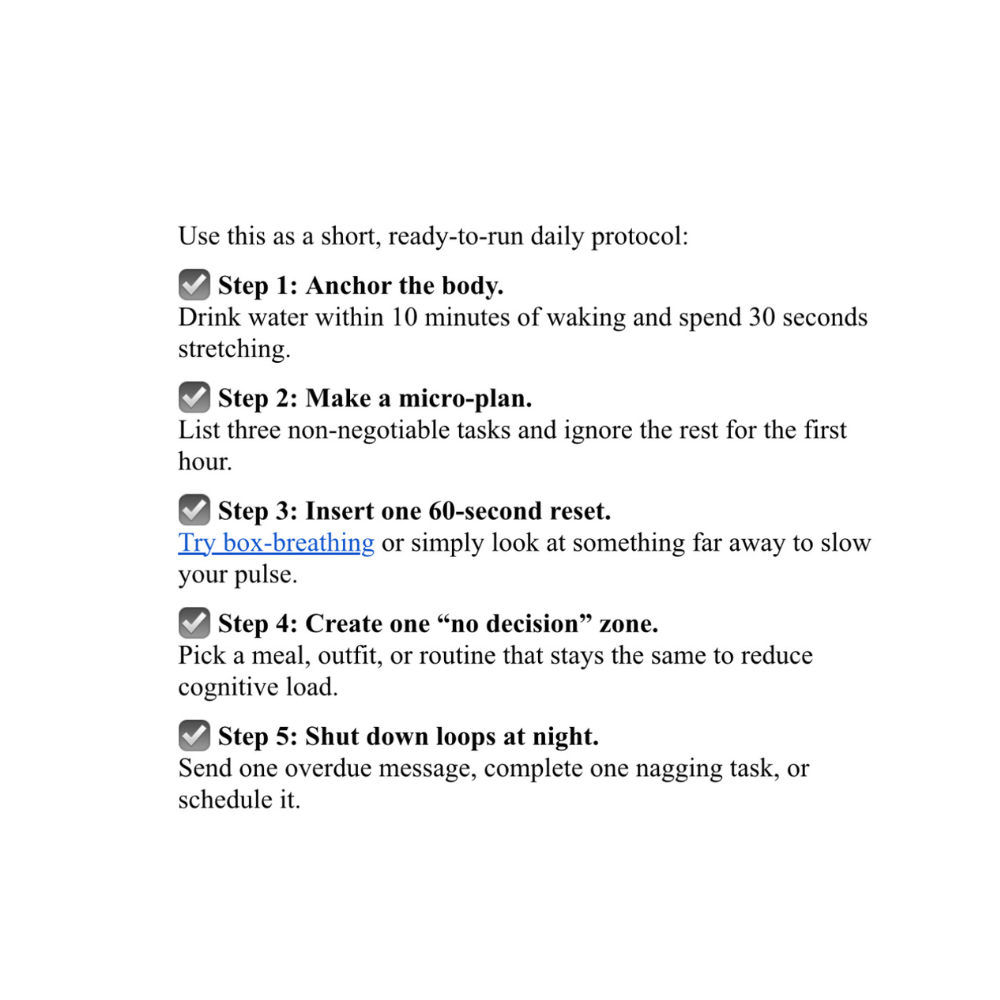
Checklist for Calming the Day
Practical Lifestyle Strategies for Stress Relief
Here are several grounding habits that don’t require an overhaul.
Move in small doses.
Even a five-minute walk can lower muscle tension and help your mind recalibrate.Eat in color.
Vibrant fruits, vegetables, and whole foods stabilize blood sugar and mood.Use gentle boundaries.
Saying “I need 10 minutes before I respond” is often enough to reduce friction.Design your environment.
Clear one surface — just one — to create a feeling of spaciousness around you.
Frequently Asked Questions
Q: Is short-term stress harmful?
A: Not usually. Short-term spikes help you respond to challenges. It’s the long, unbroken stretches of pressure that take a toll.
Q: Does stress only affect the mind?
A: No — the body and mind operate as one system. Stress can influence digestion, sleep, mood, muscle tension, and energy levels.
Q: I can’t control my schedule. Can I still manage stress?
A: Absolutely. Many stress-relief tools are internal practices (breathing patterns, micro-breaks, reframing), not schedule changes.
Q: Do herbal supports replace professional care?
A: No. They complement your routine but don’t replace medical guidance when needed.
Closing Thoughts
Stress doesn’t vanish on command, but you can reshape your relationship to it. Small, steady practices build resilience and give you more capacity for the moments that matter. When you treat stress management as daily maintenance — not crisis control — you steadily recover clarity, control, and ease.