Creative Ways to Help Your Child with Special Needs Learn and Grow
Written by Jennifer McGregor
Every child learns differently, and for parents of children with special needs, discovering what helps their child flourish can be both an art and a science. With patience, creativity, and the right mix of support, you can nurture your child’s skills, confidence, and love of learning through personalized, play-based strategies that bring joy to every small success.
Quick Takeaways
Focus on your child’s strengths; build skills around what already brings them joy.
Use play as a foundation for learning; it reduces anxiety and enhances retention.
Blend sensory, visual, and hands-on projects to spark engagement.
Create personalized tools or crafts that connect learning to self-expression.
Celebrate progress, not perfection; confidence grows through small wins.
Build Skills Through Creative Play
Play is more than fun, it’s how children make sense of the world. For children with special needs, play also becomes a therapeutic channel for developing motor skills, emotional regulation, and social understanding. Whether it’s a sensory bin, pretend play, or building with blocks, playful activities translate abstract lessons into tangible experiences.
Before you dive into creative activities, here are a few approaches that can transform play into powerful learning:
Follow their lead. Observe what captures your child’s interest, it’s your best entry point.
Simplify the environment. Too much stimulation can overwhelm; focus on one sensory element at a time.
Use repetition with variation. Familiarity builds comfort; gentle novelty sustains curiosity.
Encourage cooperative play. Small-group games teach turn-taking and empathy naturally.
Include music and rhythm. Singing or drumming can support speech development and coordination.
How to Personalize Learning at Home
When learning feels like a personal journey rather than a fixed task, children respond with curiosity and pride. Creating customized materials or adapting lessons to your child’s pace can strengthen both engagement and skill mastery.
Here’s a quick checklist to help personalize learning experiences at home:
Identify your child’s preferred sensory channels (visual, auditory, tactile).
Break larger goals into micro-skills; small, repeatable tasks build consistency.
Alternate between structured and unstructured time to avoid fatigue.
Use everyday objects as learning aids; cooking, gardening, or shopping can teach real-world skills.
Adjust your communication; shorter sentences, gestures, or picture cards can improve clarity.
Create feedback loops: ask, “Did that feel good?” or “Do you want to try again?” to build self-awareness.
Offer Hands-on Inspiration with a Custom Pillow Design
Using an online pillow design tool can be a calming, hands-on way for a child with special needs to explore digital creativity through color, texture, and imagery. As they choose photos and themes, they engage in gentle sensory exploration and build fine motor coordination at their own pace. The tool’s simple templates make it easy to design a custom pillow that reflects their personality, one that can be printed and transformed into a soft, comforting keepsake they can see, touch, and enjoy.
Encourage Confidence Through Routine and Play
Confidence grows when a child feels safe, capable, and understood. Predictable routines bring comfort, while moments of play help them adapt and express themselves freely. Below are a few simple ways to nurture both structure and spontaneity at home:
When change feels hard: Use visual schedules and short cues to show what’s coming next. This gives your child a sense of control and eases anxiety.
When attention fades: Break big tasks into smaller pieces and add quick play breaks between them. It keeps energy balanced and focus strong.When communication feels limited: Offer small choices, like which game to play or what color to use, to help your child practice independence.
When social play feels intimidating: Begin with low-pressure activities such as turn-taking or matching games. Shared laughter builds comfort and connection.
By blending steady routines with playful discovery, you help your child link effort to success, nurturing confidence that lasts far beyond the activity itself.
Creative Ideas to Keep Learning Fun
A single sensory activity can open many learning pathways. Here’s how you can integrate creativity into your daily routine:
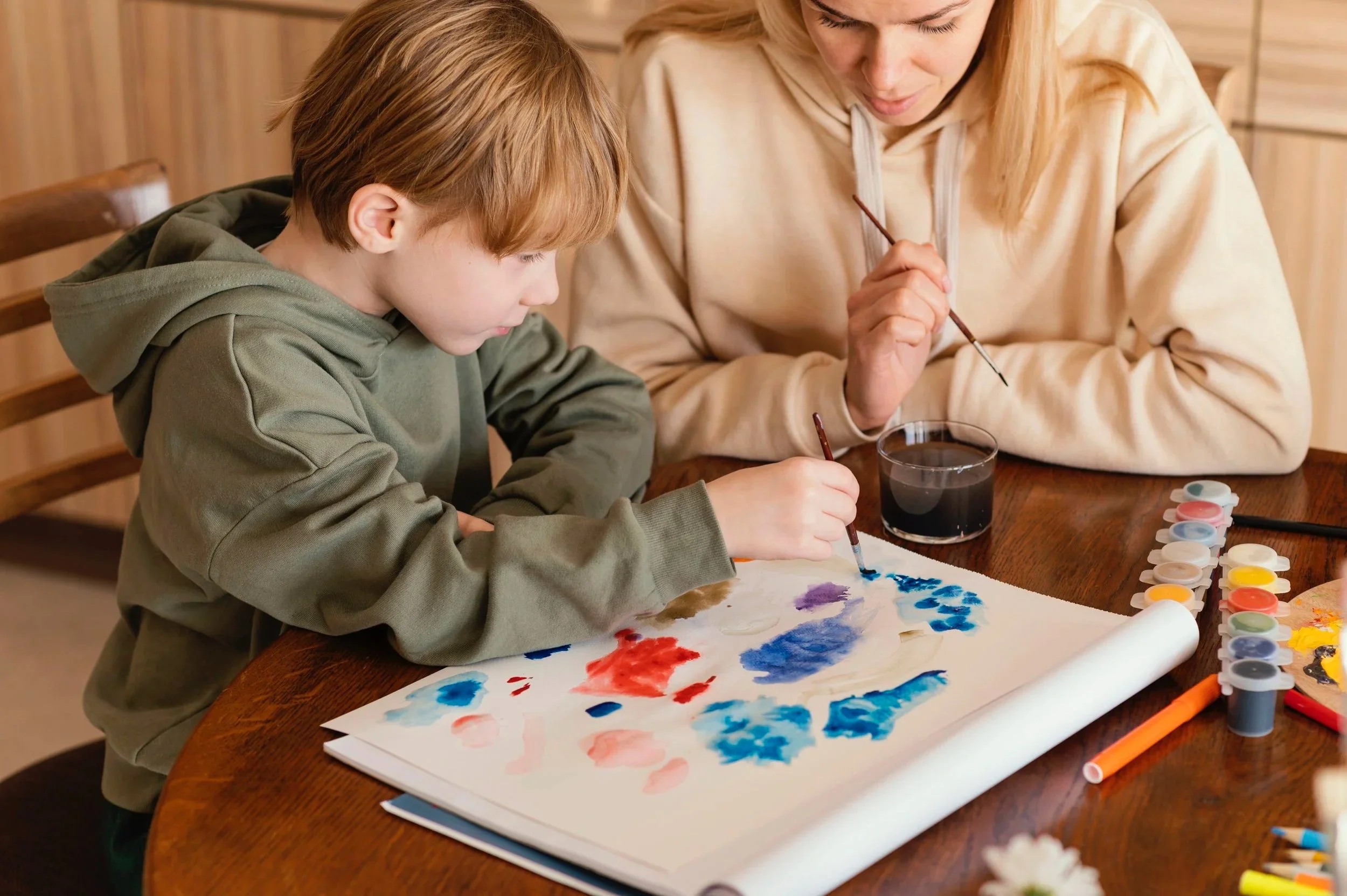
Paint with textured brushes to develop fine motor coordination.
Build storyboards from magazine cutouts to boost comprehension.
Turn household chores into “mission games” to teach responsibility.
Use water play or clay to encourage tactile exploration and calmness.
Role-play favorite stories to practice social interaction and empathy.
FAQ
How can I tell if a learning activity is working?
Observe your child’s level of engagement; smiles, focus, or eagerness to repeat an activity are strong signs of effectiveness. If frustration appears, simplify or modify the task. The goal is growth through enjoyment, not mastery under pressure.
What should I do when my child resists structured learning?
Allow flexibility. Resistance often signals overstimulation or fatigue. Shift to a preferred activity or add sensory elements, like soft textures or calming sounds, to help re-engage attention.
How can I balance playtime and therapy goals?
Integrate the two. Therapists often recommend using play as the delivery mechanism for developmental exercises. Discuss ways to embed therapy targets into playful routines at home.
How do I handle comparisons with other children?
Every child’s timeline is unique. Progress for one child might mean writing their name; for another, it could mean maintaining eye contact. Focus on growth within your child’s personal context—comparison undermines confidence.
What’s the best way to celebrate progress?
Celebrate effort as much as achievement. Create a “success wall” at home or share a weekly reflection where your child helps choose what they’re proud of. Recognition reinforces motivation and joy in learning.
How can I stay patient through slow progress?
Remember that learning for children with special needs often follows non-linear paths. Set micro-goals, take breaks, and remind yourself that small steps accumulate into meaningful transformation over time.
Conclusion
Parenting a child with special needs requires courage, creativity, and deep empathy, but it also opens doors to extraordinary discoveries. By blending structure with imagination, using play as a teaching tool, and celebrating small milestones, you help your child not only learn but love to learn. What matters most isn’t how fast progress happens, it’s that each step builds a stronger foundation for confidence, connection, and lifelong curiosity.